YAMAHA 261-84312-60 Nos Headlight Socket
fits model: At1. make: Yamaha. year: 1969.
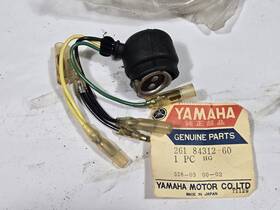
( Manufacturer Part Number: 261-84312-60 ), ( Type: Headlight Assembly ), ( Items Included: Bulbs ), ( Country Of Origin: Japan )
Review YAMAHA Nos Oem Headlight Socket fits AT1 1969
The **Yamaha 261-84312-60 NOS (New Old Stock) Headlight Socket** for the **1969 AT1** motorcycle is a meticulously preserved, high-quality replacement part designed to restore both the functionality and vintage authenticity of your classic Yamaha. This socket is a direct-fit, OEM-style component, crafted to match the original specifications of the 1969 AT1 s headlight assembly, ensuring a seamless integration with the bike s wiring and mounting system. Made from durable, corrosion-resistant materials, the socket features a robust, brass-plated terminal connection that guarantees a secure and reliable electrical bond, preventing oxidation and ensuring consistent power delivery to the headlight. The design retains the classic, minimalist aesthetic of the era, with clean lines and a sturdy, metal housing that complements the motorcycle s retro appeal. Whether you re restoring a show-worthy AT1 or simply maintaining its original performance, this NOS socket is an ideal choice for enthusiasts who prioritize both authenticity and longevity. Its availability as new old stock means it has been carefully stored in pristine condition, free from the wear and tear of aftermarket handling, making it a trusted addition to any Yamaha restoration project.
### **Pros and Cons of Buying a Yamaha 261-84312-60 NOS Headlight Socket (1969 AT1)**
#### **Pros:**1. **Original and Unused Condition (NOS)** Since this part is new old stock, it has never been installed or used, ensuring it is in pristine condition. This eliminates concerns about wear, corrosion, or previous damage that could occur with a used part.
2. **Authentic Fitment** The part is designed specifically for the 1969 Yamaha AT1, meaning it will fit perfectly without modifications. This reduces the risk of compatibility issues that can arise with aftermarket or mismatched parts.
3. **Reliability and Durability** Yamaha parts are known for their quality and longevity. A NOS socket is likely to be made from the same materials and to the same standards as parts produced during the original manufacturing period, ensuring long-term functionality.
4. **Preservation of Vintage Aesthetics** If you are restoring or maintaining a classic Yamaha motorcycle, using an original part helps preserve the authenticity of the build. This is particularly valuable for enthusiasts who prioritize historical accuracy.
5. **Ease of Installation** Since the part is new, it should require minimal effort to install, provided the surrounding components (wiring, mounting brackets, etc.) are in good condition. This can save time compared to sourcing and fitting a used part that may require additional cleaning or repairs.
6. **Potential for Future Resale Value** If you ever decide to sell the motorcycle or part, a NOS component retains higher value than a used or aftermarket alternative. This can be beneficial if you plan to keep the bike in original condition.
7. **Compatibility with Original Wiring** The socket is designed to work seamlessly with the original wiring harness of the 1969 AT1, reducing the risk of electrical issues that can arise from mismatched or poorly designed aftermarket parts.
---
#### **Cons:**1. **High Cost** NOS parts are typically more expensive than new aftermarket alternatives or used parts. The premium price reflects their rarity, authenticity, and condition. This may not be justified if the part is relatively inexpensive to replace with a modern or aftermarket option.
2. **Limited Availability** Finding NOS parts can be challenging, especially for older or less common models like the 1969 AT1. The part may not be readily available from standard suppliers, requiring you to search through specialty dealers, auctions, or collectors, which can be time-consuming.
3. **Potential for Overpaying** Due to the scarcity of NOS parts, some sellers may inflate prices, especially if the part is highly sought after. Buyers must be cautious of overpricing and verify the authenticity and condition of the part before purchasing.
4. **No Guarantee of Long-Term Availability** If you are unsure whether you will need the part in the future, purchasing a NOS socket now may not be cost-effective. The part could become obsolete or difficult to source later, leaving you without a backup option.
5. **Storage and Handling Risks** NOS parts are often stored for extended periods, which can sometimes lead to minor issues such as dust accumulation, slight oxidation, or minor wear (e.g., slight discoloration or minor scratches). While these are usually cosmetic, they may not be present in the part you receive, depending on how it has been stored.
6. **No Warranty or Return Options** Many NOS parts are sold as-is, with no warranty or return policy. If the part arrives damaged or defective, you may have limited recourse, unlike purchasing from a manufacturer or a retailer with a return policy.
7. **Potential for Overkill** If the rest of the motorcycle is not in original condition or is being heavily modified, installing a NOS part may feel unnecessary. In such cases, a functional aftermarket or used part could serve the same purpose without the added cost.
---
### **Conclusion:**Buying a NOS Yamaha 261-84312-60 headlight socket for a 1969 AT1 is a worthwhile investment if you prioritize authenticity, reliability, and the preservation of the motorcycle s originality. The part s unmatched condition and perfect fit make it ideal for restorations, purists, or collectors who value historical accuracy. However, the high cost and potential challenges in sourcing the part may not be justified for casual riders or those on a tight budget. Additionally, if the rest of the bike is being modified or upgraded, the expense of a NOS part could be better allocated elsewhere.
For most enthusiasts who are committed to maintaining or restoring their Yamaha AT1 in original condition, the benefits of a NOS part outweigh the drawbacks. The long-term reliability and the satisfaction of using an authentic component are significant advantages. However, if budget or practicality is a concern, carefully weighing the cost against the necessity of the part is advisable.
### **Recommendation:** - **Purchase the NOS part if:**- You are restoring or maintaining the motorcycle in original condition.
- You are willing to pay a premium for authenticity and long-term reliability.
- You have verified the seller s reputation and the part s condition to avoid overpaying or receiving a counterfeit.
- You plan to keep the bike in original form for the long term, as the part may appreciate in value.
- **Avoid purchasing the NOS part if:**- You are on a tight budget and the part can be functionally replaced with a new or used alternative.
- The rest of the motorcycle is being heavily modified, making the original part less relevant.
- You are unable to confirm the part s authenticity or the seller s legitimacy, risking scams or overpricing.
- You are unsure whether you will need the part in the future, as its value may not justify the upfront cost.
Ultimately, the decision depends on your priorities as a rider and owner. For those who cherish their Yamaha s heritage, the NOS part is an excellent choice. For others, a balance between cost and functionality may lead to a different decision.
Details:
Yamaha part code# 261-84312-60. Approx Shipping weight when BOXED is 1lbs.
part #: 2618431260 price
- $14.99
specifications cyclelightasm:
- for models: At1
- for makes: Yamaha
- for years: 1969
- mpn: 261-84312-60
- type: Headlight Assembly
- items included: Bulbs
- country of origin: Japan
seller cyclelightasm:
- rating: 99.9%
- city: Lincoln, Nebraska
- # reviews: 17308
general cyclelightasm:
- condition: New
- Motorcycle Scooter Parts Accessories > Lighting Lamps > Headlight Assemblies
shipping cyclelightasm:
- transit: 3-7 Days
- service: Standard
- cost: $6.00
- type: Fixed
- class: Standard
returns cyclelightasm:
- time: 30 Days
- paid by: Seller
- policy: Returns Accepted
offer cyclelightasm:
- quantity: 1
- sold: 0
- options: Ship-to-home
- availability: In Stock
- started: February 26, 2026
payments cyclelightasm:
- credit card: Discover
- wallet: Apple-pay
- other
Yamaha 261-84312-60 Is Similar To:
- 01-178-02 Kimpex Yamaha Headlight Bulb (37.4% similar) New old stock. Sold as shown on picture. Will take approximately around 7 to 9 weeks for delivery. Headlight bulb complex nos fit on yamaha SL 338, 292, GP 1972 ss 433, 1971 oem part number condition good overall...(January 28th, 2018)
- 013003c Fdb Lov Motorcycle Headlight Housing Assembly For Yamaha Yzf (29.8% similar) ...(March 9th, 2018)
- 02 03 04 05 06 07 08 09 10 49 Mbk Booster Bws Yw50 Not Specified Yamaha Zuma Front Headlight Head (26.7% similar) Good working order. You are looking at a set of working headlights removed from 2005 yamaha Yuma...(February 2nd, 2019)
- 0309 Aftermarket Yamaha Yzf Front Headlight Head Light Lamp (41.1% similar) Items will not be shipped until paid in full. Yamaha SF r1 aftermarket front headlight head light lamp thumbnails to this is in very good condition and shows normal signs of wear...(May 23rd, 2018)
- 0906300 Yamaha Front Headlight Head Light Lamp (44.4% similar) May fit other years or model's. It is in perfect working condition. Headlight assembly for a 2006 yamaha FZ1. I replaced it with a different headlight. No scratches or cracks. Nothing broken...(July 8th, 2018)
- 100-31961 Yamaha Front Headlight Head Light Lamp (43.6% similar) Carefully removed by our master tech and inspected. Feel free to for any questions regarding this item. The headlight has all tabs intact. Fast and free shipping, warranty...(October 1st, 2018)
- Glass 102-84320 Mf-2 Mf2 Lens Mj2 1962-64 Mf2-2104 Nos Mj-2 Yamaha Headlight (24.8% similar) Dealer out of business sale...(May 10th, 2015)
- 1065245 Yamaha Star Classic Headlight Head Lamp Light (45.3% similar) If the item does not fit motorcycle model's specified in listing. Many countries only allow 79 max package length and girth combined. Each part is systematically placed to be easily located once purchased...(May 10th, 2018)
- 1065659 Yamaha Star Tourer Front Head Light Headlight Lamp Damage (37.3% similar) Many countries only allow 79 max package length and girth combined. Each part is systematically placed to be easily located once purchased. If the item does not fit motorcycle model's specified in listing. More options available upon request...(May 17th, 2018)
- 1066154 Yamaha Yzf Front Right Headlight Head Light Lamp (44% similar) If the item does not fit motorcycle model's specified in listing. Many countries only allow 79 max package length and girth combined. Each part is systematically placed to be easily located once purchased. More options available upon request...(June 6th, 2018)
- 1066365 Yamaha Star Classic Front Headlight Lamp Mount Bracket (45.2% similar) Many countries only allow 79 max package length and girth combined. If the item does not fit motorcycle model's specified in listing. Each part is systematically placed to be easily located once purchased...(May 31st, 2018)